- +255 713 433 787
- support@sihatoursandsafari.com
- Arusha

Experience the Big Five Like Never Before – Book Your Dream Safari Today
Get ready for the adventure of a lifetime as you journey into the heart of Africa to witness the legendary Big Five—lion, leopard, elephant, rhino, and buffalo—in their natural habitat. At [Your Travel Agency Name], we specialize in tailor-made safaris that combine thrilling wildlife encounters with world-class comfort, expert local guides, and unforgettable memories. Whether you’re a first-time explorer or a seasoned traveler, we’re here to craft your perfect safari—safely, ethically, and seamlessly.
Why Us?
Testimonials
Our safari exceeded every expectation! The guides were incredible, and seeing the Great Migration was a dream come true.
DID YOU KNOW!!
Here are some of the interesting facts about the Big 5
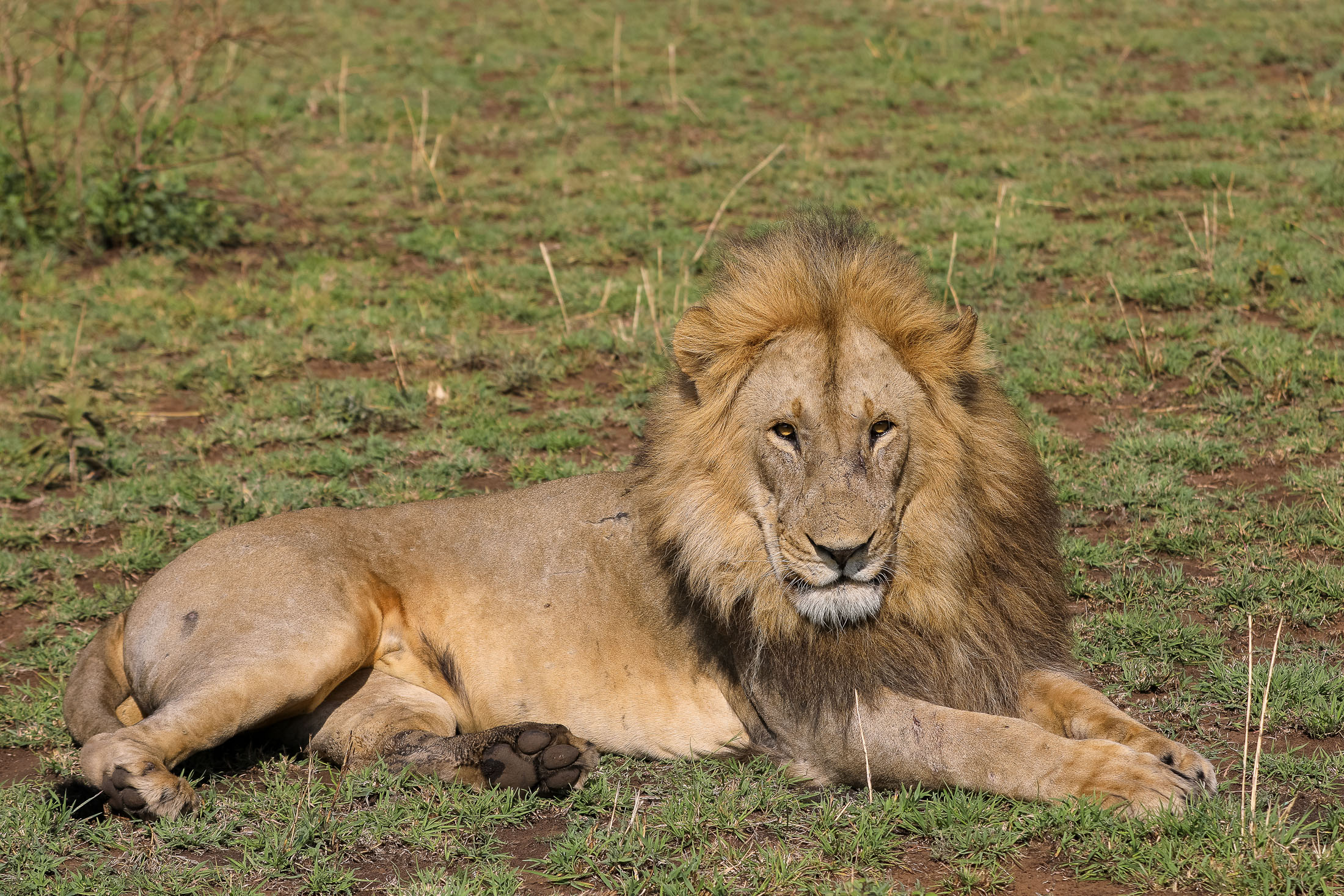
The Lion
Social Cats: Lions are the only truly social big cats, living in prides of up to 40 individuals, usually led by a dominant male or coalition.
Roars that Travel: A lion’s roar can be heard from up to 8 kilometers (5 miles) away and is used to communicate territory and group location.
Power Nappers: Lions rest or sleep for up to 20 hours a day, conserving energy for short, powerful bursts during hunts.
Role-Based Hunting: Lionesses typically do most of the hunting, working cooperatively to stalk and ambush prey.
Short Reigns: Male lions usually hold dominance over a pride for only 2–3 years before being challenged and replaced by rivals.
The Elephant
Largest Land Animal: African elephants can weigh over 6,000 kg (13,000 lbs) and reach heights of 3.5 meters (11 feet).
Highly Intelligent: Elephants have incredible memory and problem-solving abilities, and they even mourn the death of their companions.
Trunk Power: Their trunks contain over 40,000 muscles, allowing them to lift tree trunks or pick up a single blade of grass.
Matriarchal Herds: Elephant families are led by a matriarch—the oldest and most experienced female in the group.
Eco-Engineers: Elephants shape their environment by creating water holes, breaking branches, and spreading seeds through dung.
The Leopard
Masters of Stealth: Leopards are incredibly elusive, often hunting at night and resting in trees or thick bush during the day.
Tree Lovers: They regularly drag their kills into trees to keep them safe from scavengers like hyenas and lions.
Wide Range: Leopards have the widest distribution of any big cat, found across sub-Saharan Africa and parts of Asia.
Spotted Beauty: Their distinctive rosettes (spots shaped like open circles) help camouflage them perfectly in varied terrain.
Solo Hunters: Leopards are solitary animals and fiercely territorial, marking boundaries with scent and scratch marks.
Rhinoceros
Two Species in Africa: Africa is home to the black rhino (hooked lip) and the white rhino (wide mouth), each with distinct behavior and diet.
Thick but Sensitive Skin: A rhino’s skin can be 5 cm (2 inches) thick, but it’s sensitive and prone to sunburn and insect bites.
Poor Vision, Strong Senses: Rhinos have poor eyesight, but excellent smell and hearing help them stay aware of threats.
Speedy Giants: Despite their size, rhinos can run up to 50 km/h (30 mph) in short bursts.
Critically Endangered: Black rhinos, especially, are critically endangered due to poaching for their horns, which are made of keratin—the same material as human nails.
Buffalo
Unpredictable and Fearless: Known as “Black Death,” African buffalo are among the most dangerous animals in Africa, especially when wounded.
Massive Herds: Buffaloes often move in herds of hundreds or even thousands, offering protection through numbers.
Protective Behavior: If a member of the herd is attacked, others will often return to defend it, even against lions.
Impressive Horns: Males have massive, helmet-like horns called a “boss,” used to fight for dominance within the herd.
Strategic Grazers: Buffaloes are ecosystem engineers—by grazing and trampling vegetation, they open up the landscape for other species.
FAQ'S
When is the best time to visit?
Do i need malaria medications or vaccinations?
What should i pack for my Safari?
Is it safe to go on a safari?
What kind of accomodation is available?
How do i book and can i customize my trip?
Subscribe to Our Newsletter.
Never miss an update regarding the travelling opportunities and experiences.
Easy and quick booking process.
Effortlessly book your trip and with such ease and get to customize your experience, explore the natures of the wild and safari with us!!

NATIONAL PARKS
ZANZIBAR
ABOUT US
©2025 Siha Tours And Safaris. All Rights Reserved.